
Embarking on a home renovation project is a significant decision that many homeowners face when considering how to optimize their living space. Choosing whether to remodel existing rooms or pursue a new addition depends on several factors, including your budget, the scope of desired changes, and how they align with your long-term plans. Both options offer unique advantages and potential challenges. This blog post explores the key considerations to help you determine which route is the best fit for your home improvement goals.
Remodeling: Cost-Effective and Less Disruptive
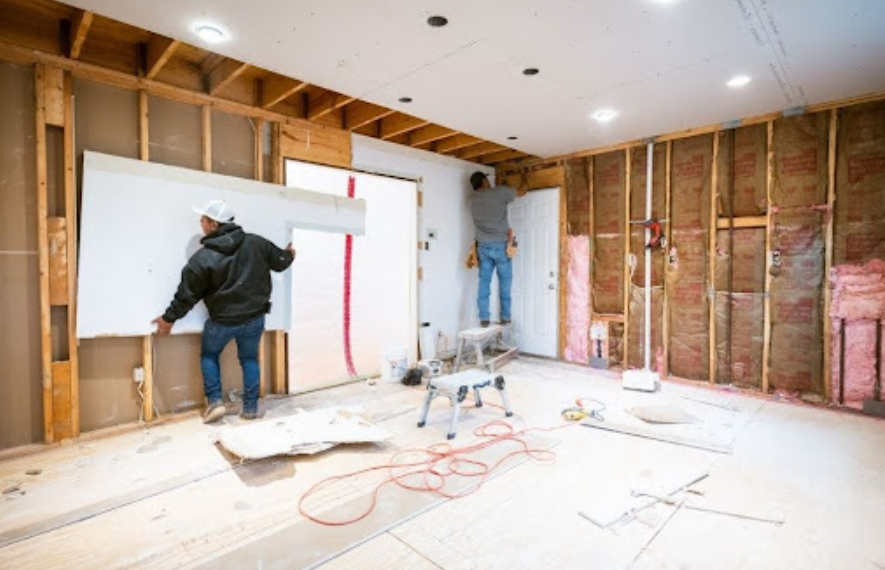
Home remodeling focuses on reconfiguring or updating the existing layout and rooms of your home without expanding its footprint. It is an excellent way to enhance the functionality and aesthetics of your space while potentially increasing property value with a lower initial investment compared to a home addition.
Pros of Remodeling
- Cost-Effectiveness: Remodeling typically requires a smaller budget, making it an attractive option for homeowners looking to update their home without major structural changes.
- Minimized Disruption: Renovations are often less invasive, allowing homeowners to continue living in their property during the process.
- Increased Efficiency: Remodeling provides an opportunity to upgrade electrical, plumbing, and HVAC systems for improved energy efficiency and functionality.
Cons of Remodeling
- Space Limitations: You are restricted by the existing footprint, which may limit the scope of changes.
- Hidden Complications: Unforeseen issues, such as hidden electrical or plumbing problems, can increase costs and extend timelines.
Home Additions: Expanded Space and Customization
Building a home addition increases your home’s square footage to accommodate extra rooms or expand existing spaces. This option is ideal for homeowners needing more space but wishing to remain in their current location.
Pros of Additions
- Customized Space: Additions can be tailored to fit your specific needs, whether adding a new bedroom, expanding the kitchen, or creating an entirely new living area.
- Increased Property Value: Adding square footage often increases your home’s market value more significantly than remodeling.
- Design Freedom: Additions provide greater flexibility in layout and design, allowing you to match your vision and preferences.
Cons of Additions
- Higher Cost and Complexity: Building an addition is usually more expensive and requires navigating zoning laws, obtaining permits, and potentially lengthy construction timelines.
- Disruption: Construction can be disruptive to daily life and may even require temporary relocation.
Making Your Decision: Factors to Consider
Assess Your Needs and Long-Term Goals
Consider why you want a remodel or addition. Is it to increase your home’s value, accommodate a growing family, or improve your living space? Understanding your long-term plans can guide your choice.
Budget Constraints
Determine how much you are willing to invest. Remodeling may be more budget-friendly, but an addition could provide the space and functionality that remodeling cannot achieve within your current footprint.
Consult with Professionals
Before making a final decision, consult architects, designers, and builders who specialize in home renovations and additions. Their expertise can provide insights into what is possible within your budget and how each option may affect your property’s value.
Ready to Transform Your Home? Let’s Discuss Your Project
Deciding between remodeling your existing space or adding a new section to your home is an important choice that depends on your goals, needs, and budget. If you are in Eldersburg, MD and want professional guidance to enhance your living space, Design Build Remodeling Group of Maryland is here to help.
Our team specializes in both remodels and additions, ensuring your home transformation aligns perfectly with your vision. Call us today at (443) 300-2268 or fill out our online form to discuss your project. Together, we can create the home of your dreams.